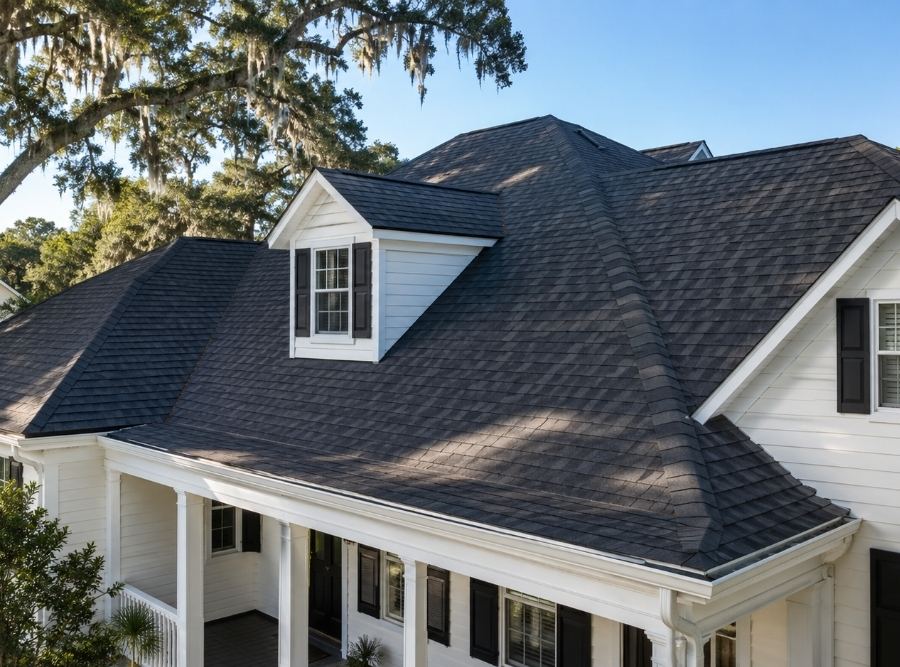
Beautiful Lowcountry home with an architectural asphalt shingle roof in Bluffton, South Carolina.

What Is a 4 Point Inspection and Do I Need One in Bluffton, SC?

Quick Answer:
A 4 point inspection is an insurance inspection that evaluates the condition of a home’s roof, electrical system, plumbing, and HVAC system. In Bluffton, you may need one if you’re buying an older home, changing homeowners insurance carriers, or your insurance company requests it during underwriting or policy renewal.

A request for a 4 point inspection usually arrives at the worst possible time. It often appears just days before a real estate closing, during a homeowners insurance renewal, or while switching to a new insurance carrier. Everything else seems to be moving forward until an email or phone call introduces a term many homeowners have never heard before. Suddenly the questions begin. Is something wrong with the house? Didn’t the home inspection already cover this? Does this mean the insurance company thinks the roof is bad?

We’ve seen that uncertainty many times throughout Bluffton and the surrounding Lowcountry. Homeowners in Old Town Bluffton, Rose Hill, Hampton Hall, Belfair, Moss Creek, Sun City, and newer communities along Buckwalter Parkway often assume the request means they’ve already failed some kind of inspection. In reality, a 4 point inspection serves a very different purpose. It helps insurance companies better understand the condition of four major systems that have the greatest impact on future claims. Understanding how that process works and why your roof usually becomes the center of the conversation can make the entire experience far less stressful.

A 4 Point Inspection Isn’t Looking for a Perfect House—It’s Looking at Insurance Risk

One of the biggest misconceptions surrounding a 4 point inspection is that it exists to identify everything that’s wrong with a home. That’s actually the role of a traditional home inspection, which provides buyers with a broad evaluation of the property’s overall condition. A 4 point inspection has a much narrower purpose. It exists to help insurance underwriters evaluate risk before issuing or renewing a homeowners insurance policy.

Insurance companies assume financial responsibility when they insure a home. Their concern isn’t whether a house has cosmetic imperfections or minor maintenance items. Instead, they’re trying to determine whether the home’s most important systems are likely to create expensive claims in the near future. Water damage, electrical fires, plumbing failures, and HVAC-related problems account for many of the claims insurers handle every year, which is why these systems receive closer attention during underwriting.

This is why homeowners shouldn’t think about a 4 point inspection as a test that they either pass or fail. The inspection simply provides information about the condition of four major systems at a specific point in time. The insurance company then reviews that information alongside its own underwriting guidelines to determine whether additional documentation, repairs, or updates may be needed before offering or renewing coverage.

Understanding that distinction changes the entire conversation. The inspection itself doesn’t decide whether you’ll receive insurance. It provides the information an insurer uses to make that decision.

Why These Four Systems Tell Insurance Companies So Much About a Home

At first glance, it may seem unusual that an insurance company focuses on only four parts of a house. After all, a home contains hundreds of components that age over time. The reason is that these four systems often reveal much more about the property’s overall condition than homeowners realize.

The roof protects everything beneath it. If water enters through deteriorated shingles, damaged flashing, or aging roof penetrations, the resulting claim may involve insulation, drywall, flooring, framing, cabinetry, furniture, and personal belongings. What begins as a roofing issue can quickly become a much larger insurance loss.

The electrical system presents a different type of concern. Aging service panels, outdated components, or known equipment with documented reliability issues may increase fire risk. Plumbing systems are evaluated because small leaks hidden behind walls or beneath floors can cause extensive structural damage before they’re ever discovered. HVAC equipment may not seem directly related to insurance, but aging systems often indicate deferred maintenance, increasing the likelihood of future failures or water damage associated with condensate drains and related components.

Taken together, these four systems tell a story about how a home has been maintained over time. A well-maintained property with documented updates generally presents a different risk profile than one where multiple systems have reached or exceeded their expected service lives without significant maintenance or replacement. That’s why insurers focus their attention here rather than trying to evaluate every detail of the property.

Why the Roof Usually Receives More Attention Than Any Other Part of the Inspection

Although every system included in a 4 point inspection matters, the roof often becomes the most closely examined component because it protects the entire structure from the elements. Insurance companies understand that even a relatively small roofing problem can quickly develop into widespread interior damage if water finds a path into the home.

Many homeowners assume insurers care primarily about the age of the roof, but age is only part of the equation. A properly maintained roof that has received regular inspections and timely repairs may continue performing well long after another roof of the same age has begun to fail. Underwriters are generally interested in the roof’s overall condition, visible signs of deterioration, remaining useful life, and whether obvious defects suggest an increased likelihood of future claims.

One of the most important concepts homeowners should understand is something known as remaining useful life. Roofing materials do not suddenly stop working on the day they reach a particular age. Instead, they gradually lose their ability to resist weather as years of sun exposure, heavy rainfall, thermal movement, and coastal conditions take their toll. Insurance companies often want to understand whether the roof appears capable of continuing to perform reliably rather than focusing exclusively on the year it was installed.

That distinction becomes especially important in Bluffton because roofs experience environmental conditions that differ significantly from many inland communities. The calendar may tell only part of the story. How the roof has been maintained—and how it has responded to years of coastal weather often provides a much more accurate picture of its current condition.

Bluffton’s Climate Adds Challenges That Insurance Forms Can’t Fully Explain

Insurance inspection forms are designed to work across many different regions, but they cannot fully capture the unique environmental conditions that roofs experience in the South Carolina Lowcountry. A roof in Bluffton doesn’t age the same way as one located hundreds of miles inland, even if both were installed during the same year using identical materials.

High humidity remains a constant part of life throughout much of the year, creating conditions that encourage algae growth and prolonged moisture exposure. Salt carried inland from nearby marshes and coastal waters gradually accelerates corrosion on exposed metal components, particularly flashing, fasteners, and roof penetrations. During hurricane season, roofs must withstand strong winds, wind-driven rain, and rapidly changing weather conditions that repeatedly test every vulnerable detail of the roofing system.

Some of the homes we inspect throughout Bluffton also sit beneath mature live oak trees that define the community’s beautiful streetscapes. Those trees provide welcome shade during the summer months, but they also deposit leaves, small branches, and Spanish moss onto roofing systems throughout the year. Roof valleys can become natural collection points for this debris, slowing drainage after storms and allowing moisture to remain against roofing materials much longer than intended. Left unaddressed, those conditions may gradually contribute to flashing deterioration or localized water intrusion that isn’t immediately visible from inside the home.

These aren’t dramatic failures that appear overnight. More often, they are slow, predictable changes that develop over many seasons. That’s one reason regular roof inspections remain valuable even when a homeowner hasn’t noticed any leaks. Catching subtle signs of wear early is almost always easier and less expensive than waiting until water begins entering the home.

A Roof Doesn’t Have to Leak Before It Raises Insurance Questions

Perhaps the biggest surprise for homeowners is learning that a roof can appear perfectly dry inside while still attracting attention during a 4 point inspection. Many people naturally assume that if there are no ceiling stains or buckets catching water during rainstorms, the roof must still be in good condition. Unfortunately, roofing systems rarely deteriorate that neatly.

We’ve inspected roofs throughout Bluffton where the interior looked completely normal while the exterior told a different story. Aging pipe boots had begun cracking from years of ultraviolet exposure. Flashing around chimneys showed early signs of separation. Previous repairs had solved one leak while allowing another vulnerable area to continue deteriorating unnoticed. None of those conditions had yet caused visible interior damage, but they suggested the roof was approaching a point where more significant problems could develop if left unaddressed.

This is one reason Ralph or Pierce personally get onto every roof before preparing an estimate. Looking at a roof from the driveway simply cannot reveal the same level of detail as a hands-on inspection. Small issues that may seem insignificant today often provide valuable insight into how the roof is aging as a complete system. Understanding those conditions early gives homeowners more choices and helps prevent minor maintenance concerns from becoming major roofing projects.

What a 4 Point Inspection Doesn’t Mean

By the time homeowners receive a request for a 4 point inspection, many have already searched online and encountered conflicting information. Some articles make the process sound like a simple formality, while others suggest that older homes are almost impossible to insure. Neither extreme reflects how the process typically works, and believing either one can create unnecessary anxiety.

A 4 point inspection does not automatically mean your insurance company has decided your home is too risky to insure. It does not mean you have already failed anything, nor does it guarantee that expensive repairs will immediately follow. It also should not be confused with a comprehensive home inspection or a wind mitigation inspection. Each serves a different purpose, and insurance carriers request them for different reasons depending on the property, its age, and the company’s underwriting guidelines.

Another misconception is that every older home in Bluffton will require a complete roof replacement simply because of its age. Roofing systems do not all age the same way. We’ve inspected roofs installed within the same year where one still had years of dependable service remaining while another required significant repairs because of deferred maintenance, previous workmanship issues, or years of exposure to coastal weather. Age provides useful context, but it rarely tells the entire story.

Perhaps the most important misconception to avoid is believing cosmetic improvements will satisfy legitimate concerns. Painting over a water stain, replacing a few shingles without addressing deteriorated flashing, or cleaning algae from the roof surface may improve appearance, but those actions do not change the underlying condition of the roofing system. Insurance companies are interested in the actual condition of the home’s major systems rather than how they appear from the street.

What Happens After the Inspection?

Many articles stop once they explain what a 4 point inspection is, but homeowners are usually wondering what comes next. Understanding the process after the inspection often removes much of the uncertainty surrounding it.

Once the inspection is completed, the report is submitted to the insurance company for review. An underwriter evaluates the information alongside the carrier’s internal guidelines, the age of the home, prior claims history, and other underwriting factors. Depending on what the report shows, the insurance company may determine that no additional action is necessary, request clarification about certain items, ask for documentation showing previous repairs or replacements, or recommend that specific issues be addressed before coverage is finalized or renewed.

If the roof becomes part of that conversation, the next step is not always replacement. Sometimes the insurer simply wants confirmation that a previous repair was completed correctly or documentation showing the roof’s current condition and estimated remaining service life. Other situations may involve repairing localized damage, replacing deteriorated flashing, or correcting maintenance issues before they become larger problems. Every property is different, which is why homeowners benefit from understanding the roof’s actual condition instead of making assumptions based solely on the inspection request.

This is also why it helps to work with professionals who communicate clearly. Insurance terminology can feel unfamiliar, especially when deadlines are approaching. Having someone explain what the inspection identified, what it means for the roof, and which recommendations are practical allows homeowners to make informed decisions instead of reacting to uncertainty.

The Most Stressful 4 Point Inspection Is the One Scheduled Too Late

Very few homeowners plan for a 4 point inspection months in advance. Most schedule one because an insurance deadline suddenly makes it necessary. A closing date is approaching, a renewal notice has arrived, or a new insurance carrier has requested additional documentation before issuing coverage. By that point, every day matters, and even relatively small roofing issues can feel overwhelming simply because time is limited.

We’ve seen homeowners throughout Bluffton who waited until the final week before closing to learn their insurance company wanted additional information about the roof. The moving truck was already scheduled, utilities had been transferred, and every other part of the transaction was complete. Instead of focusing on their new home, they found themselves trying to schedule inspections, gather documentation, and understand roofing terminology under significant time pressure. The roof itself wasn’t necessarily the biggest problem. The lack of preparation created most of the stress.

The better approach is to be proactive whenever possible. If your home is older, you’re considering changing insurance carriers, or you’re planning to sell within the next year, a professional roof inspection can provide valuable information long before insurance deadlines arrive. Understanding the condition of the roof early gives you the opportunity to address maintenance on your own schedule rather than someone else’s. It also provides peace of mind knowing that if questions arise during underwriting, you’ll already have a clearer understanding of your roof’s condition.

Why an Honest Roof Inspection Is Often the Best First Step

When insurance questions begin revolving around the roof, homeowners often receive very different opinions. One contractor may recommend replacing the entire roof immediately, while another suggests there is nothing to worry about. Understandably, that leaves many people wondering who to believe.

At Apex Roofing, we believe the conversation should always begin with understanding the roof before recommending a solution. Ralph or Pierce personally get onto the roof because important details cannot be evaluated accurately from the ground. Flashing, ridge caps, roof penetrations, valleys, and other vulnerable areas deserve close inspection, particularly on homes that have spent years exposed to Bluffton’s humidity, salt air, tropical weather, and intense summer sun.

We also believe homeowners deserve more than a number on an estimate. That’s why we document what we find with photographs, explain how individual roofing components are performing, and provide an itemized written estimate before any work is discussed. If repairs are appropriate, we’ll explain why. If replacement truly represents the better long-term investment, we’ll explain that as well. Our responsibility is to help homeowners understand their roofing system so they can make confident decisions based on facts rather than pressure.

When roofing work is needed, our process reflects that same commitment to doing things correctly. Materials are not ordered until the estimate has been approved in writing. Required permits are coordinated through the appropriate local jurisdiction, every project is documented with photographs from beginning to end, replacement projects include a magnetic sweep to collect stray fasteners after tear-off, manufacturer warranties are registered upon completion, and we conduct a final walkthrough with the homeowner before considering the project finished. Those steps may not appear on a 4 point inspection form, but they reflect the level of care we believe every homeowner deserves.

The Best Time to Understand Your Roof Is Before Someone Else Starts Asking About It

A 4 point inspection often feels like an unexpected hurdle, but it can also become an opportunity to better understand the condition of your home. Instead of viewing the inspection as something to fear, think of it as a reminder that your roof and other major systems deserve attention before small concerns become expensive surprises.

For homeowners throughout Bluffton, Hilton Head Island, Beaufort, Okatie, Hardeeville, and the surrounding Lowcountry, the roof plays an especially important role because of the climate it faces every single day. Years of humidity, coastal salt exposure, heavy rainfall, and tropical weather gradually shape how a roof performs. Understanding that process and knowing the true condition of your roofing system puts you in a much stronger position whether you’re buying a home, renewing insurance, changing carriers, or simply planning for the future.