Can I Put Solar Panels on My Roof in a Hardeeville, SC Neighborhood?
Quick Answer:
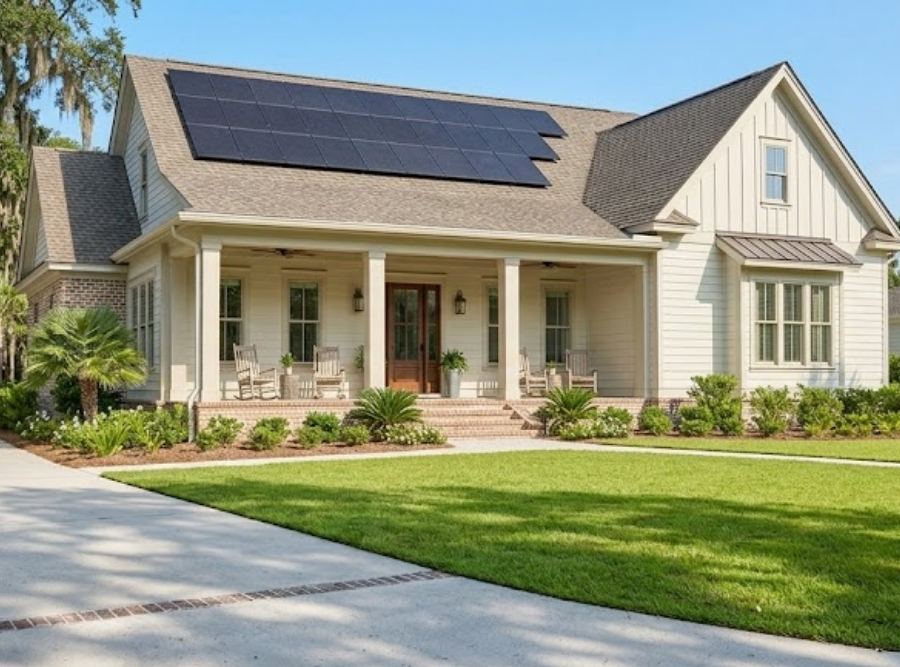
Yes, homeowners in Hardeeville can generally install solar panels on their roof, but approval typically depends on HOA architectural review, local building codes, and the roof’s remaining service life. A roof under 10 years old in good condition is usually ready to move forward, while one older than 15 years should be inspected first, since removing and reinstalling panels to complete a later roof replacement adds significant cost. Apex Roofing of the Lowcountry has inspected roofs throughout Hardeeville neighborhoods like Riverton Pointe and Hilton Head Lakes, and this guide covers what to check before signing a solar contract.
Why Does Roof Condition Matter as Much as the Solar Panels Themselves?
Solar systems are designed to last decades, and if the roof underneath reaches the end of its service life first, the panels typically have to be removed before the roof can be replaced and reinstalled afterward — an expense many homeowners don’t anticipate. A roof that looks fine from the ground at 18 or 20 years old can develop granule loss or recurring leaks within a few years of a solar install, turning one project into two.
Is Your Existing Roof Ready for Solar Panels?
Roof age is the first indicator. A roof under 10 years old in good condition, installed correctly with no significant storm damage, can usually move forward without concern. Roofs between 15 and 20 years old deserve a closer evaluation, since they may still function well while approaching the point where replacement makes more financial sense. A roof older than 20 years isn’t automatically disqualified, but the odds of needing replacement during the solar system’s lifespan increase considerably.
- Curled or missing shingles, or granule loss
- Recurring repairs or previous leaks
- Deteriorated flashing or soft decking
- Sagging roof sections
Will Your HOA Allow Solar Panels?
Most Hardeeville HOAs allow residential solar but require an approval process first typically site plans, panel layouts, equipment specifications, and architectural review forms showing how the system will look once installed. Some communities also set rules on panel placement, street visibility, or conduit routing. Since architectural review meetings often happen only once or twice a month, starting this process early helps avoid delaying the project once materials are ready to order.
Do Solar Panels Damage a Roof?
Properly installed solar panels shouldn’t shorten the life of a healthy roof — the risk isn’t the panels, it’s the mounting. Every attachment point penetrates the roofing system and must be integrated correctly with the flashing, underlayment, and structural framing to prevent leaks. Problems tend to show up when shortcuts are taken: old flashing left in place, sealant used instead of proper flashing technique, or hardware fastened into weakened decking. Panels also don’t protect or extend the life of the roof beneath them — the uncovered portions and the flashing continue aging at the same rate either way.
How Does Coastal Weather Affect Solar-Ready Roofs in Hardeeville?
Hardeeville’s long, humid summers, frequent thunderstorms, and hurricane-season winds place extra demand on both roofing systems and solar mounting hardware. Daily heat-and-storm cycles cause materials to expand and contract while humidity slows drying, gradually wearing down flashing, sealants, and shingles. If solar equipment goes on a roof already showing early wear, those weaknesses become harder to access and repair once the panels are in place.
Why Should a Roofing Inspection Happen Before You Sign a Solar Contract?
Most solar companies perform only a limited visual check of the roof, since their focus is the energy system rather than the roofing structure underneath it. An independent roofing inspection — evaluating shingles, flashing, pipe boots, penetrations, ventilation, and remaining service life — tells you whether the roof is genuinely ready to support decades of solar equipment, or whether repairs or replacement make more sense before the panels go on.
If you’re weighing a solar project in Hardeeville, a roof inspection is the logical first step — Apex Roofing of the Lowcountry inspects roofs throughout Hardeeville neighborhoods including Riverton Pointe, Hilton Head Lakes, and Hampton Pointe. Learn more on our Roof Inspections page. If the inspection points to replacement instead, our Roof Replacement page covers what that process looks like. You can also see our Hardeeville service area page for more on the communities we serve.
Frequently Asked Questions About Solar Panels and Roofing in Hardeeville
Can you put solar panels on any roof in Hardeeville, SC?
In most cases, yes, but it depends on HOA approval, local building codes, and whether the roof has enough remaining service life to support the system for its full lifespan. A roof under 10 years old in good condition is usually ready; older roofs should be inspected first.
Do solar panels damage a roof?
Properly installed panels shouldn’t shorten a healthy roof’s life — problems come from poor mounting, such as old flashing left in place or hardware fastened into weakened decking, not from the panels themselves. The roof and flashing continue aging at the same rate whether or not panels are installed.
Should I get a roof inspection before installing solar panels?
Yes. Most solar companies only visually check the roof since their focus is the energy system, so an independent roofing inspection is the best way to confirm the roof can support the solar array for its full expected lifespan before you sign a contract.
What happens if my roof needs replacing after solar panels are installed?
The panels typically need to be removed before the roof can be replaced, then reinstalled afterward, which adds significant labor cost. This is why evaluating the roof’s remaining service life before installation is usually the more cost-effective approach.
Ralph Brehany is the owner and president of Apex Roofing of the Lowcountry, a licensed residential roofing contractor he founded alongside his son, Pierce, serving Bluffton, Hilton Head Island, Beaufort, and the surrounding Lowcountry. The company is CertainTeed ShingleMaster certified and holds SC License #57706, handling roof repair, replacement, and new installation across Beaufort and Jasper County. Ralph is known for staying hands-on throughout every project, from the initial estimate to daily progress updates on site.